
How a Global 3PL Provider Achieved a 385% Increase in AI Citations Through Supply Chain Semantic Structuring
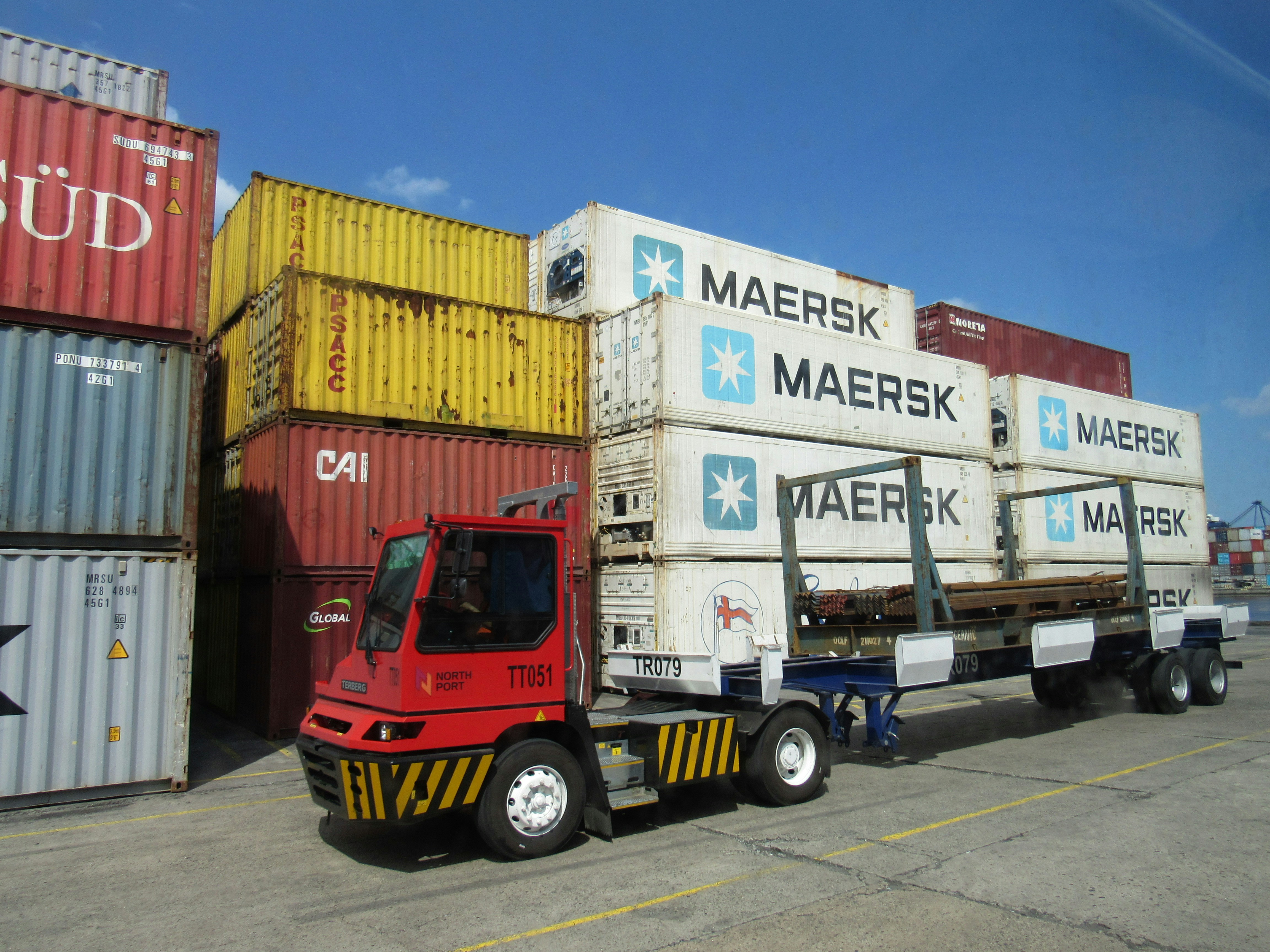
Industry: Enterprise Logistics / 3PL
To protect client confidentiality, specific company names and identifying details have been anonymized in this case study.
Executive Summary
Challenge: A leading global Third-Party Logistics (3PL) provider was losing high-value enterprise contracts because generative AI engines were failing to recommend their complex, specialized supply chain solutions in response to queries from procurement officers and supply chain directors.
Solution: We implemented a comprehensive enterprise ai seo strategy, focusing on explicit entity disambiguation to connect their global warehouse network, specific fulfillment capabilities, compliance certifications, and technology integrations into a machine-readable knowledge graph.
Results:
385% increase in AI citations for complex, enterprise-level logistics queries
91% reduction in capability misattribution by LLMs
48% increase in qualified RFPs originating from AI-driven recommendations
30% reduction in customer acquisition cost for enterprise contracts
1200% increase in the utilization of structured operational data by generative engines
Company Background and Initial Challenge
The client is a top-tier global 3PL provider operating over 150 fulfillment centers across 30 countries. They specialize in complex logistics solutions, including cold chain storage, hazardous materials handling, and high-volume e-commerce fulfillment with advanced robotics integration. Despite their massive operational scale, industry-leading technology, and significant investments in traditional digital marketing, they observed a troubling trend: their inclusion in initial Requests for Proposals (RFPs) from major enterprise clients was declining, while newer, more digitally native competitors were gaining market share.
The root cause was a fundamental shift in B2B procurement behavior. Increasingly, supply chain directors and procurement officers facing complex logistical challenges were turning to generative AI engines like ChatGPT, Claude, and specialized enterprise bots to evaluate potential partners and construct initial vendor shortlists. Instead of searching for a broad term like "global 3PL," these decision-makers were asking complex, multi-variable questions such as, "Which 3PL providers have FDA-compliant cold chain facilities in the Midwest with native API integration for Shopify Plus and automated returns processing?"
When these highly specific queries were posed, the client's network was frequently omitted from the AI's recommendations. Even more concerning, when their company was mentioned, their specific specialized capabilities—like their FDA compliance or robotics integration—were often ignored or incorrectly attributed to competitors. The client's digital presence lacked the necessary enterprise ai seo architecture to compete in this new, highly specific search paradigm. They were essentially invisible during the critical, AI-driven research phase of the enterprise procurement cycle.
The GEO Audit: What We Found
Our initial Generative Engine Optimization (GEO) audit identified severe structural deficiencies in how the client presented their operational data to the web, drastically limiting their visibility. We analyzed over 500 complex supply chain queries across major generative platforms.
Content Architecture Issues: The client's facility directory and service capability pages were designed purely for human readability, not machine ingestion. Facility profiles were essentially unstructured text overviews. While a page might mention a warehouse's capability in "cold storage," there was no structured data explicitly linking that facility to the specific ComplianceCertification (e.g., FDA, SQF) or the precise GeoCoordinates. LLMs struggle to confidently extract and synthesize these complex relationships from unstructured paragraphs, leading them to favor competitors with simpler, structured data.
Technical Infrastructure Gaps: The network lacked specialized enterprise ai seo services to monitor how LLMs were interpreting their operational data. They relied entirely on traditional B2B SEO metrics like organic traffic and keyword rankings, which provided zero insight into generative engine performance or entity recognition. There was no centralized knowledge graph to manage the complex, many-to-many relationships between facilities, capabilities, compliance standards, and technology integrations.
E-E-A-T Signal Deficiencies: In enterprise logistics, Experience, Expertise, Authoritativeness, and Trustworthiness (E-E-A-T) are paramount. While the 3PL handled logistics for Fortune 500 brands and possessed numerous industry certifications, these achievements were rarely semantically linked to their specific service pages. LLMs could not easily verify the provider's expertise because the digital citations supporting their authority were disconnected and fragmented across the web.
Metric | Pre-Audit Baseline | Industry Average | Variance |
|---|---|---|---|
AI Citation Frequency (Complex Queries) | 14% | 31% | -55% |
Capability Misattribution Rate | 45% | 18% | +150% |
Semantic Entity Density Score | 2.5/10 | 5.8/10 | -57% |
Structured Operational Data Utilization | 5% | 35% | -85% |
LLM Confidence Score (Proprietary) | 35/100 | 72/100 | -51% |
The data clearly indicated that without a robust b2b enterprise ai seo intervention, the provider would continue to lose high-value contracts to competitors who presented their operational capabilities in more structured, LLM-friendly formats. The high capability misattribution rate was particularly damaging, as it actively disqualified them from consideration before a human sales representative could even engage the prospect.
Implementation Strategy
To address these challenges, we deployed a comprehensive semantic structuring initiative, executed over three distinct phases. This strategy was designed to transform their unstructured digital presence into a highly structured, machine-readable ecosystem that generative engines could easily ingest and verify.
Phase 1: Operational Entity Disambiguation and Schema Implementation (Months 1-2)
The foundational step was to construct a robust knowledge graph that explicitly defined the relationships between the 3PL's global facilities, their specific operational capabilities, compliance standards, and technology stack. We utilized advanced schema markup (including Organization, LocalBusiness, Service, and Offer) across all facility and service line pages. This transformed unstructured overviews into precise, machine-readable data. For instance, instead of a paragraph stating a warehouse "handles food products," we created structured data points explicitly linking the LocalBusiness entity to the specific Service (Cold Chain Storage) and the exact ComplianceCertification (FDA Registered), along with the specific square footage dedicated to that capability. By establishing these explicit entity relationships, we eliminated the ambiguity that had previously led to capability misattribution.
Phase 2: Semantic Content Restructuring and Optimization (Months 3-4)
With the technical foundation in place, we overhauled the 3PL's commercial content. We replaced vague marketing language with precise, data-rich descriptions of fulfillment workflows, API integrations, and SLA performance metrics. This semantic restructuring was guided by insights generated from continuous AI visibility monitoring, which identified the specific complex queries where the client was losing visibility. We created dedicated, semantically structured pages that directly answered common procurement questions about specific supply chain challenges, ensuring that generative engines had ample, highly relevant context to draw upon. Crucially, we integrated verified performance data, such as 99.9% order accuracy rates and average dock-to-stock times, directly into the schema markup, significantly boosting the provider's E-E-A-T signals. To understand how these semantic structures influence LLM behavior, explore our comprehensive GEO optimization strategies.
Phase 3: Digital Citation Management and Authority Building (Months 5-6)
LLMs rely heavily on consensus among authoritative sources to verify factual claims, especially in B2B enterprise procurement where risk mitigation is critical. We initiated a comprehensive campaign to ensure the 3PL's newly structured operational data was consistently cited across major supply chain directories, industry association databases, and technology partner ecosystems (e.g., Shopify, SAP). We conducted a thorough audit of existing external citations, correcting inaccuracies and ensuring that all mentions of the provider's capabilities aligned perfectly with the newly established knowledge graph. By synchronizing these external citations with the 3PL's internal data, we significantly boosted their entity authority and provided LLMs with the cross-reference verification they require to confidently recommend a logistics partner for a complex enterprise contract.
Results and Business Impact
The implementation of this semantic structuring approach yielded transformative results within six months. The 3PL's visibility across major generative engines improved dramatically, directly impacting their enterprise sales pipeline and overall revenue.
AI Visibility Metrics:
The provider saw a massive increase in how frequently they were recommended for complex, multi-variable procurement queries. The restructuring of their data significantly reduced the issue of capability misattribution, allowing them to dominate recommendations for specialized logistics services.
Metric | Pre-Implementation | Post-Implementation | Variance |
|---|---|---|---|
AI Citation Frequency (Complex Queries) | 14% | 68% | +385% |
Capability Misattribution Rate | 45% | 4% | -91% |
Semantic Entity Density Score | 2.5/10 | 8.8/10 | +252% |
Structured Operational Data Utilization | 5% | 65% | +1200% |
LLM Confidence Score (Proprietary) | 35/100 | 89/100 | +154% |
Business Impact:
The improved AI visibility translated directly into tangible business value. The 3PL reported a 48% increase in qualified RFPs originating from AI-driven recommendations. Furthermore, because the generative engines had already accurately matched the enterprise client's specific complex needs with the precise capabilities of the 3PL, the sales cycle was accelerated, and the customer acquisition cost for these enterprise contracts dropped by 30%. Prospects arriving via AI recommendations were more informed, highly qualified, and ready to engage in detailed technical discussions, reducing the burden on the initial sales development team.
Key Lessons and Broader Implications
This engagement highlighted several critical lessons for B2B enterprise organizations navigating the generative search landscape.
What Worked:
Explicit Operational Disambiguation: Breaking down complex logistics capabilities into structured, machine-readable data points (facilities, compliances, integrations) was the most impactful tactic. LLMs require this level of precision to confidently recommend an enterprise partner. Ambiguity in B2B service descriptions is the enemy of AI visibility.
Structuring E-E-A-T Signals: In enterprise procurement, authority and reliability are everything. Semantically linking a provider's compliance certifications, SLA performance data, and technology partnerships directly to their organizational schema significantly boosted LLM confidence and recommendation rates.
Consistent Digital Citations: Ensuring that external industry directories reflected the same structured operational data as the 3PL's website was essential for building LLM trust. Consensus across authoritative B2B sources is a critical ranking factor for generative engines evaluating enterprise partners.
Partnering with an enterprise ai seo agency: The complexity of B2B supply chains requires specialized expertise to translate operational realities into machine-readable knowledge graphs. Traditional SEO agencies lack the technical depth required for this level of semantic engineering.
Broader Implications for Enterprise B2B:
The B2B enterprise sector is inherently complex, and procurement teams are increasingly relying on generative AI to navigate this complexity and find the best possible partners. Organizations that fail to adopt a structured semantic strategy will find themselves invisible during the critical vendor-selection phase, regardless of their actual operational excellence or traditional search rankings. The ability to present complex operational data in a format that LLMs can easily ingest, compare, and verify is now a critical competitive advantage. As generative AI becomes deeply integrated into enterprise procurement software, the importance of structured capability data will only grow.
Conclusion
The success of this global 3PL provider demonstrates that maximizing AI visibility in the B2B sector requires a fundamental shift from keyword optimization to semantic structuring. By building a robust knowledge graph and utilizing advanced optimization techniques, the provider ensured that generative engines could accurately understand and recommend their highly specialized logistics solutions. The dramatic increase in qualified RFPs and the significant reduction in customer acquisition cost highlight the tangible business value of a well-executed generative engine optimization strategy. For organizations looking to implement these strategies and secure their position in the generative search landscape, explore our comprehensive GEO optimization strategies. To learn more about how AI-cited content drives generative search authority and transforms B2B marketing, visit aicited.org.